






Latest News
Insights from Five Faces
Perspectives on digital health, patient experience, and the technology shaping modern care.


Reduce cancellations, improve readiness and support recovery
Surgery is one of the most resource-intensive parts of healthcare, yet the patient experience is often fragmented. Without patient journey mapping, hospitals feel the impact through cancellations, delays, longer stays, and wasted theatre time.
Our solution supports patients end-to-end while improving readiness, throughput and flow. Helping healthcare providers improve patient engagement and reduce pain points across the patient journey.
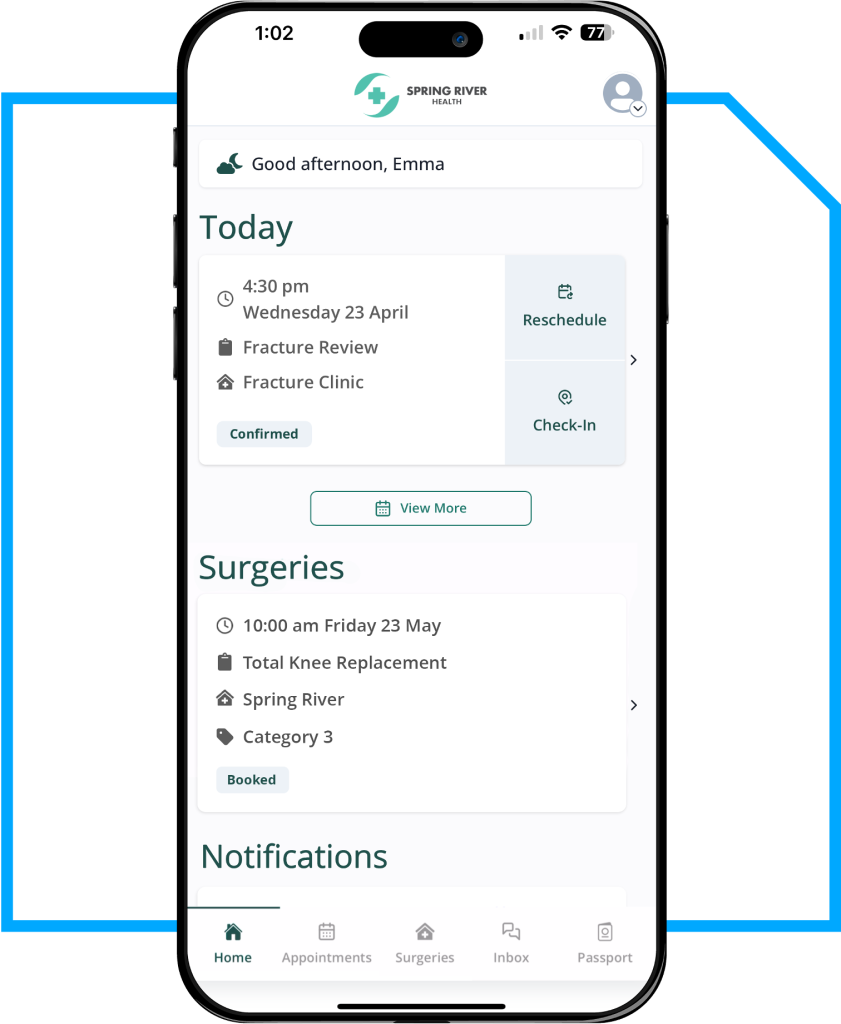
The solution brings together a Patient Hub and Staff Hub to support patients and teams across the surgical journey — from preparation through to recovery. Improving visibility across each stage of the care journey enables healthcare professionals to better identify pain points, support patient interactions, and create a more connected healthcare experience.
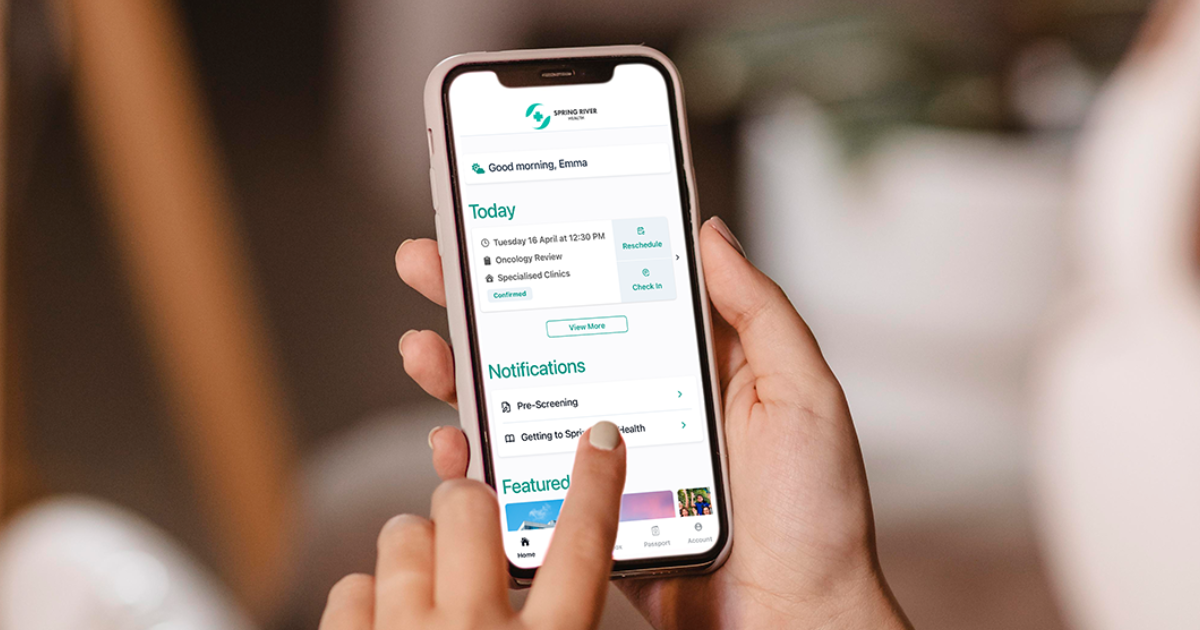
Give patients one place to manage their surgical journey — before, during and after surgery — with the right information, tasks and updates at every stage, helping them navigate health services with confidence.
Give coordinators and clinicians visibility and control over patient care without extra admin — helping teams gather insights, support communication and improve flow.
Our solution helps hospitals:
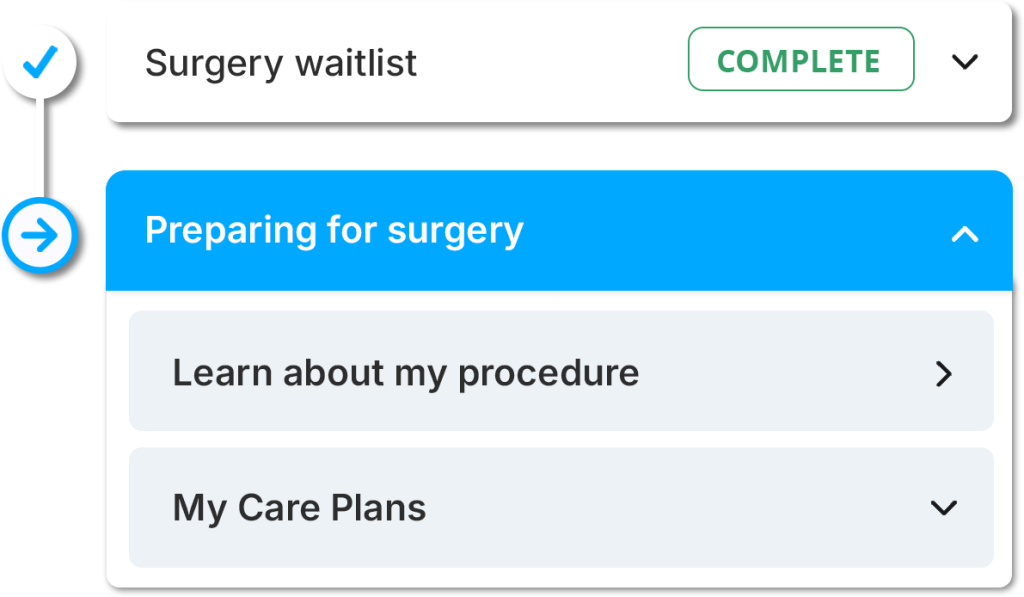
Patients can easily track where they are in the journey, what they need to do next, and what to expect at every stage of the healthcare system.
What makes this a valuable tool is the ability to begin with perioperative care, then extend into outpatients and other treatment pathways over time, using the same configurable platform to deliver consistent patient communication, support and service delivery across services and sites.
Led by Dr Cory Williams (PhD), Five Faces’ Research & Clinical Lead, with over 14 years’ experience across surgical and perioperative services – bringing deep healthcare understanding to patient journey mapping, service improvement and better patient outcomes.
By Dr Cory Williams, PhD – Digital Health
A practical guide to improve surgical readiness, reducing cancellations, and helping healthcare providers deliver more connected perioperative care in line with modern patient expectations.
Five Faces provides a configurable perioperative platform that works for a single service, a private hospital group, or a statewide rollout. Clinical teams can update content and pathways in-house, without relying on vendor change requests.
The patient journey is the full experience a person has as they navigate the healthcare system, from finding care and preparing for treatment through to recovery and ongoing care. It includes the steps, interactions and touchpoints that shape patient experience.
A patient journey map is a visual way to understand and present the experiences, interactions, emotions, and pain points that patients experience as they navigate the healthcare system. It helps teams see the full journey more clearly and identify gaps in care.
Patient journey mapping helps healthcare providers gain insights into the patient experience, identify pain points, and discover opportunities for improvement. It can also support more personalised care, better preparation, and a more seamless experience across treatment and recovery.
Yes. Pathways can be tailored by procedure type, specialty, site, care team – and even individual clinician preferences where needed. These solutions can be tailored by procedure type, specialty, and care team to enhance patient experience.
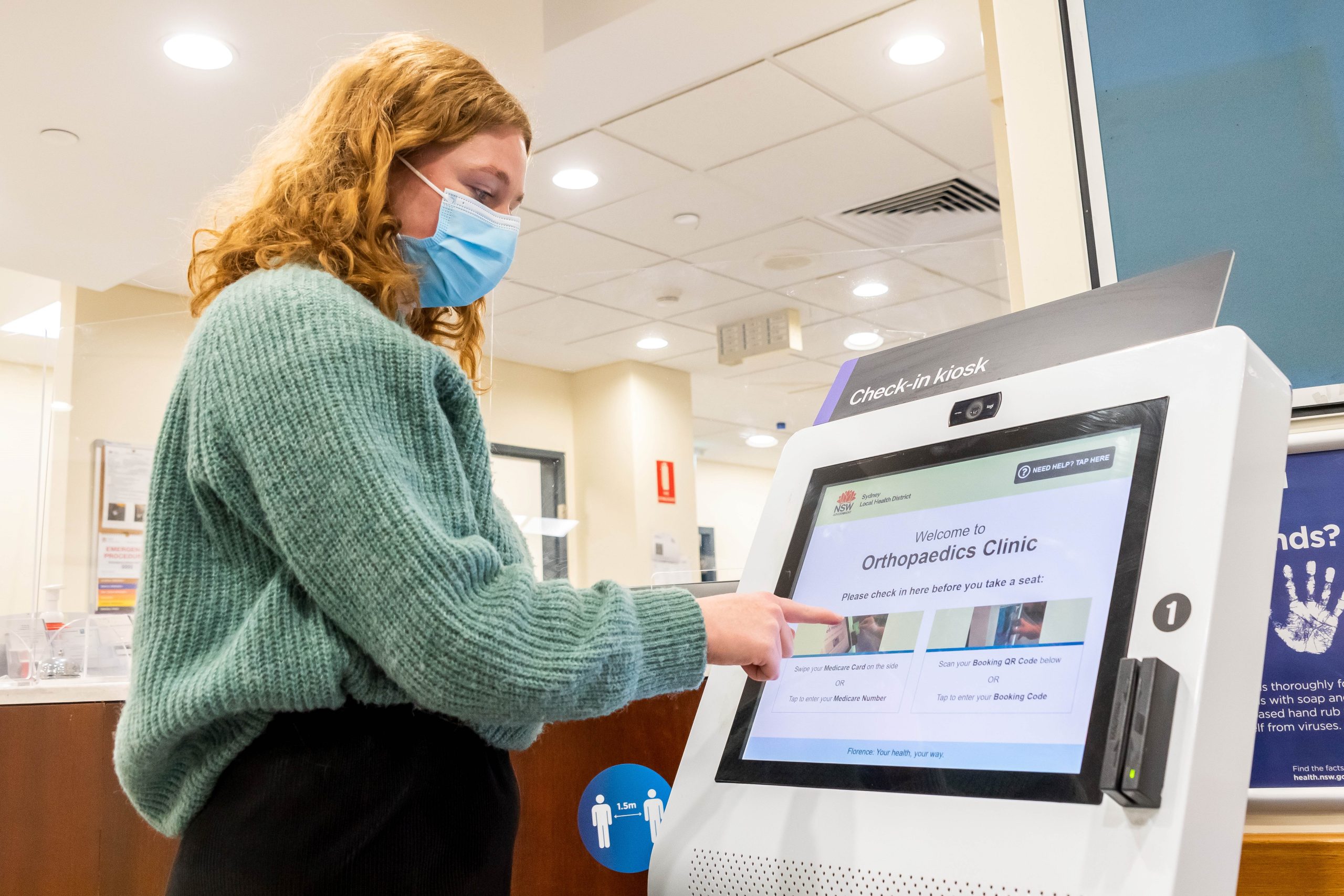
The Patient Hub is typically delivered as a secure, web-based application that works across mobile, tablet and desktop, with no download required. For organisations that need it, a native app experience can also be supported.
Yes. Teams can manage education resources, forms, reminders and workflow templates in-house, so pathways can evolve as clinical practice changes. Patient journey mapping is a continuous process that requires regular updates and iterations based on patient feedback and data.
The platform is designed to integrate with core hospital systems such as PAS, EHR and scheduling systems via APIs or secure data exchange. It does not replace core clinical systems but enhances them by supporting patient engagement, readiness tracking and workflow coordination around them.
No. It strengthens and streamlines pre-admission processes. By collecting information earlier and improving patient preparation, clinical time can be focused on higher-risk patients rather than routine administrative tasks. Key actions in the preoperative phase include assessing risks, optimising health, obtaining informed consent, and preparing the patient.
Yes. Pathways, reminders, education and digital forms are configurable, allowing rapid updates without major redevelopment when practice evolves. Effective perioperative care involves continuous risk assessment and the use of evidence-based guidelines to minimise errors.
The goal of perioperative care solutions is to automate reminders and digitise forms to improve patient preparation and reduce manual tasks. Perioperative care solutions, like ours, provide visibility and control to coordinators and clinicians without adding extra administrative tasks. Reducing manual phone calls, duplicate data entry and reactive coordination.
Yes. The solution can be implemented as a controlled pilot within a specialty or site to evaluate impact on readiness, cancellations and patient experience before broader deployment.
Perspectives on digital health, patient experience, and the technology shaping modern care.
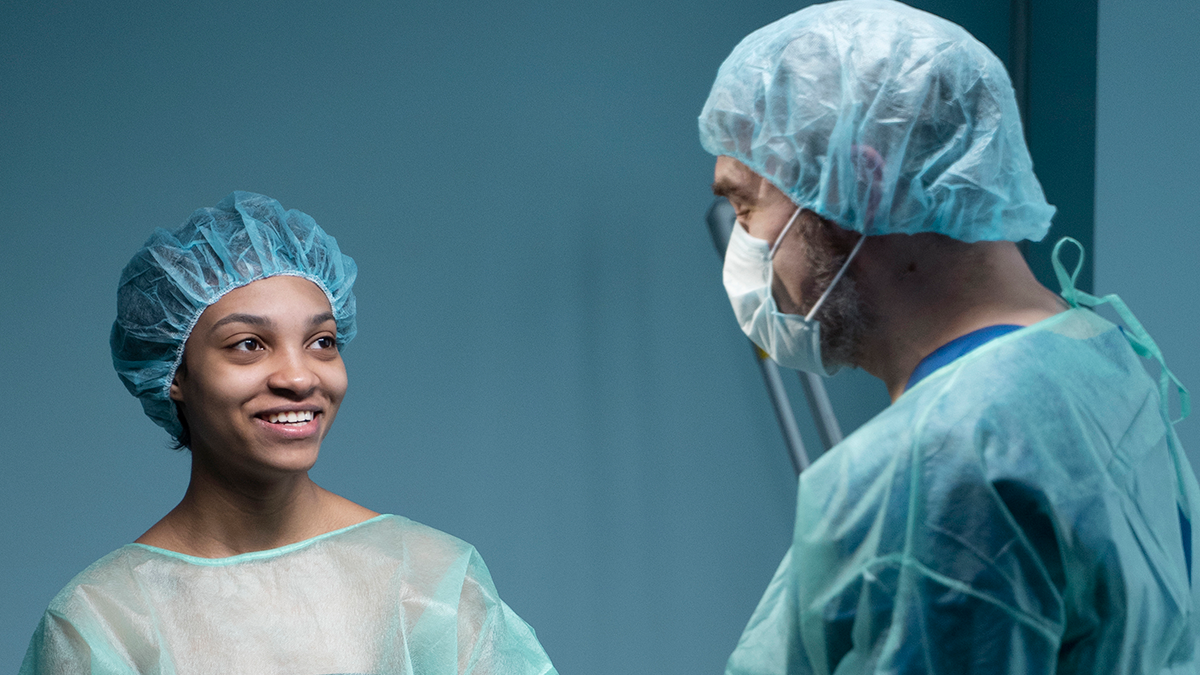 Patient Experience
Explore how technology enhances the surgical journey, with digital pathways and engagement tools supporting better care across clinical, emotional, logistical, and social dimensions.
Read Article → Digital Health
This article outlines how many health services operate today and what an optimised, digital-first approach can look like — from consent to recovery — so patients, clinicians, and hospitals all benefit.
Read Article →Transform the patient experience throughout your facility with our modular solutions